


Why Choose Us
Pre-sale Service
Our company can provide 24-hour service to discuss product parameters, prices, delivery dates, transportation and other details with customers.
Quality Solution
If it is confirmed that the quality loss is caused by us, we will reissue the unqualified product or make a cash compensation.
Our History
Was established in 2006, located in Cangzhou City, Hebei Province, China. We have more than ten years of export business experience.
Production Market
Our company's business covers the Middle East, North Africa, South America, Southeast Asia, Central America and other regions, with an annual export value of more than 10 million US dollars.
Alloy steel seamless pipe is a hollow tube made from a solid piece of steel that has been extruded through a die, without seams. Alloy steel is made by adding other metals and non-metals to carbon steel, and the properties of the alloy steel depend on the additives used.

ASTM A213 T12 alloy steel tube can be used for superheater tubes. The role of superheater tubes is to absorb heat. The seamless boiler steel tubes or heat-resistant alloy steel tubes are bent into a snake shape, and the two ends are respectively welded to the inlet and outlet headers. When the superheater tube is in operation, the outside is affected by high-temperature flue gas, and the inside is circulated by high-pressure steam.

ASTM A213 T22 alloy steel tubes can be used for heat exchangers. The heat exchange tube is one of the elements of the heat exchanger, placed inside the cylinder to facilitate heat exchange between two media. It exhibits high thermal conductivity and good isothermal properties, enabling rapid and nearly lossless thermal energy transfer, earning it the moniker of a heat transfer superconductor, with thermal conductivity thousands of times greater than copper.

ASTM A335 P5 Alloy Steel Pipe is primarily used for heating surface tubes of low and medium pressure boilers (working pressure generally not exceeding 5.88 MPa, working temperature below 450°C), and for high-pressure boilers (working pressure generally above 9.8 MPa, working temperature from 450°C to 650°C). They are also used in heating surface pipes, economizers, superheaters, reheaters, and in the petrochemical industry.

ASTM A335 P9 Alloy Steel Pipes are mainly used for high temperature service, not easy to deform, not easy to break. The content of chromium and molybdenum elements in the steel pipes produced by our company fully meet the standard requirements, with good mechanical properties and stable use in high temperature environments. The sold steel pipes have never appeared Had a safety accident.

This ASTM A335 specification covers nominal wall and minimum wall seamless ferritic alloy-steel pipe intended for high-temperature service. Pipe ordered to this specification shall be suitable for bending, flanging, and similar forming operations, as well as fusion welding. Selection will depend upon design, service conditions, mechanical properties, and high-temperature characteristics.

ASTM A335 P12 alloy steel pipes are mainly used for manufacturing steam boilers and steam pipelines. Our factory has implemented thorough Process Quality Management that covers the entire metallurgical process, including iron making, steel making, continuous casting, slabbing, tube rolling, heat treatment, tube processing, etc. We have comprehensive capabilities in process planning, quality control, continuous improvement, and quick response.

Alloy seamless steel pipe contains more Cr elements, providing it with characteristics such as high temperature resistance, low temperature resistance, and corrosion resistance. It is widely used in boiler tubes, heat exchanger tubes, superheater tubes, economizer tubes, reheater tubes, high temperature and high pressure pipes, as well as low temperature pipes.
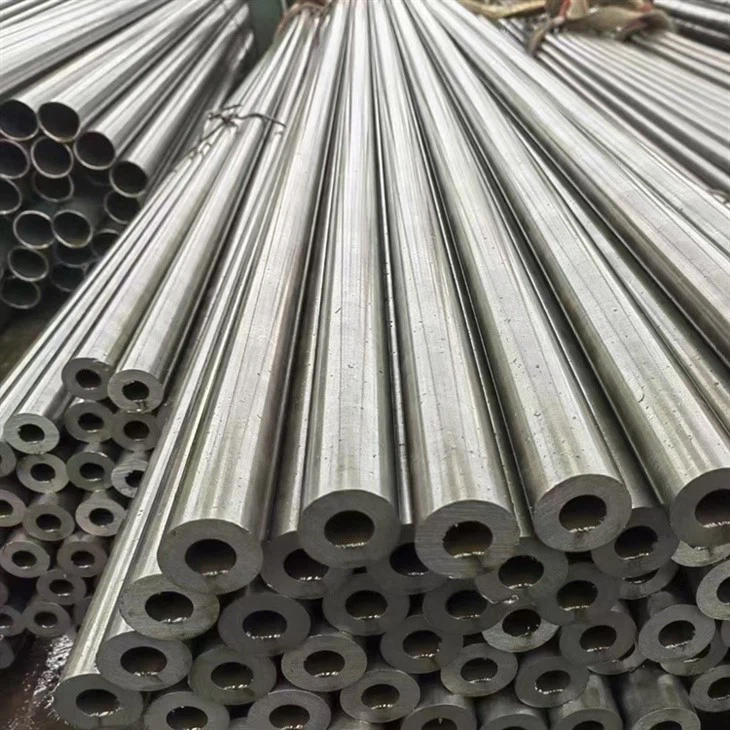
Alloy seamless steel pipe contains more Cr elements, giving it characteristics such as high temperature resistance, low temperature resistance, and corrosion resistance. It finds wide application in boiler tubes, heat exchanger tubes, superheater tubes, economizer tubes, reheater tubes, high temperature and high pressure pipes, as well as low temperature pipes.

Alloy seamless steel pipe contains more Cr elements, so it has the characteristics of high temperature resistance, low temperature resistance, and corrosion resistance. It is widely used in boiler tubes, heat exchanger tubes, superheater tubes, economizer tubes, reheater tubes, high temperature and high pressure pipes, low temperature pipes, etc.
Sustainable
One of the biggest advantages of using alloy steel is that it is environment-friendly. With zero wastage, alloy steel tubes allow you 100 percent recovery, which makes alloy steel superior.
High Strength
Alloy steel is created with the addition of specific elements that make the steel harder, more durable, and resistant to wear and tear. Alloy steel seamless tubes hence are ideal for usage in instances where you need high strength. For example, chrome-moly tubes that are made from combining molybdenum and chromium are extremely strong, highly resistant and offer high tensile strength. Hence, it is widely used in power plants and refineries for transporting fluids and gases at extremely high temperatures and pressures.
Corrosion Resistant
Another major advantage that alloy steel offers is that it is corrosion resistant. Most metals, in their true form, undergo corrosion over time as a result of their reaction to environmental oxygen. However, alloy steel can withstand corrosion even in marine environments.
Low Expansion
Some alloy steels display extremely low rate of thermal expansion or a consistent and predictable pattern of thermal expansion. This makes alloy steel seamless tubes a great choice in industries where tubes or containers with low coefficient of expansion are needed.
Shape Memory
Metals that can revert to their original shape on the application of heat are said to have shape memory. You can find this property in nickel-titanium alloys.
Magnetic Permeability
Alloy steels also show interesting properties such as magnetic permeability. As a result, they have become integral components of switch gears, direct current motors and generators.
Applications of Alloy Steel Seamless Tubes
Alloy steel seamless tubes are vital across various industries due to their durability and strength. These tubes are used in applications where high pressure, temperature, and corrosion resistance are critical.
Oil and Gas Industry
In the oil and gas industry, alloy steel seamless tubes are essential. They are used in drilling operations, well casings, and tubing. These tubes can withstand the harsh conditions found in deep-sea and onshore drilling sites.
Power Plants
Power plants, especially those using fossil fuels, require materials that can endure high temperatures and pressures. Alloy steel tubes are used in boilers, heat exchangers, and superheaters. Their resistance to thermal fatigue and oxidation makes them ideal for these applications.
Chemical and Petrochemical Plants
Chemical and petrochemical plants handle various corrosive substances. Alloy steel seamless tubes are used in piping systems, reactors, and heat exchangers within these plants. They resist chemical corrosion, which extends the life of the equipment and ensures safety.
Automotive Industry
In the automotive sector, these tubes are used in manufacturing engine components, transmission systems, and exhaust systems. They provide the necessary strength and heat resistance required in high-performance engines.
Construction and Structural Applications
Alloy steel seamless tubes are also used in construction, particularly in high-rise buildings and bridges. Their high strength-to-weight ratio and resistance to stress make them ideal for structural applications.
What Are The Types Of Alloy Steel Seamless Pipe


Nickel Alloys Seamless Pipe
Nickel-based alloys such as Inconel, Monel, Hastelloy, and Nickel 200 are known for their excellent resistance to corrosion, high-temperature strength, and exceptional performance in extreme environments. These pipes are often used in aerospace, chemical processing, and marine applications.
Alloy Steel Seamless Pipe
Alloy steel pipes are made from various alloying elements such as chromium, molybdenum, and nickel to enhance their mechanical properties. They are used in industries like power generation, automotive, and construction.
TitaniumAlloySeamless Pipe
Titanium alloys are known for their exceptional corrosion resistance, high strength-to-weight ratio, and biocompatibility. They find applications in aerospace, medical implants, and chemical processing.
Copper-Nickel Seamless Pipe
These pipes, typically made from alloys like Cu-Ni 90/10 and Cu-Ni 70/30, are highly resistant to corrosion by seawater and are used in shipbuilding, offshore, and marine industries.
Aluminum Alloy Seamless Pipe
Aluminum alloys are lightweight and corrosion-resistant, making them suitable for applications in the aerospace, automotive, and construction industries.
Zirconium Seamless Pipe
Zirconium alloys are known for their excellent resistance to corrosion, especially in aggressive chemical environments. They are used in the chemical and nuclear industries.
Tantalum Seamless Pipe
Tantalum is highly resistant to corrosion by acids, making it suitable for use in the chemical and pharmaceutical industries.
Incoloy Seamless Pipe
Incoloy alloys, like Incoloy 800 and 825, offer high-temperature resistance and corrosion resistance. They are used in applications involving heat exchangers, chemical processing, and power plants.
Nimonic Seamless Pipe
Nimonic alloys are known for their high-temperature strength and corrosion resistance, making them suitable for aerospace and industrial gas turbine applications.
Factors to Consider When Selecting Alloy Steel Seamless Pipe
Application Requirements
Consider the specific application requirements, including pressure, temperature, corrosion resistance, and mechanical properties. Different grades of alloy steel offer varying levels of strength, durability, and resistance to harsh environments. Select a tube grade that aligns with the demands of the application.
Material Composition
Evaluate the chemical composition of the alloy steel tubes. Elements such as chromium, molybdenum, nickel, and carbon significantly influence the performance and properties of the tubes. Choose a material composition that provides the necessary strength, toughness, and corrosion resistance for the intended application.
Dimensional Specifications
Ensure the alloy steel seamless tubes meet the dimensional specifications required for the application. Consider factors such as outer diameter, wall thickness, length, and tolerances. Accurate dimensional specifications are essential for proper fit, installation, and compatibility with other components.
Manufacturing Standards
Verify that the seamless tubes comply with relevant manufacturing standards and specifications, such as ASTM, ASME, DIN, or API. Adherence to industry standards ensures product quality, consistency, and reliability.
Quality Assurance
Choose a reputable manufacturer with a proven track record of producing high-quality alloy steel seamless tubes. Look for certifications, such as ISO 9001, that demonstrate the manufacturer's commitment to quality assurance and compliance with international standards.
Cost and Value
Consider the overall cost-effectiveness of the alloy steel tubes, taking into account factors such as initial purchase price, maintenance requirements, and expected lifespan. While cost is important, prioritize value by selecting tubes that offer the best combination of quality, performance, and longevity.
Seamless alloy steel pipes have several unique characteristics that make them suitable for various applications. Some of these characteristics include:
High Strength
The addition of alloying elements such as chromium, molybdenum, and vanadium to steel improves its strength. Seamless alloy steel pipes are therefore stronger than regular steel pipes, making them suitable for heavy-duty applications.
Corrosion Resistance
Alloy steel is less prone to corrosion than regular steel due to the presence of chromium and other elements. Seamless alloy steel pipes are therefore resistant to rust and other forms of corrosion, making them ideal for use in corrosive environments.
High Temperature Resistance
Seamless alloy steel pipes can withstand high temperatures without losing their strength or shape. This makes them suitable for use in high-temperature applications such as power generation and chemical processing.
Durability
Seamless alloy steel pipes are durable and can withstand wear and tear, making them suitable for use in harsh environments.
Certifications


Our Factory
Our company's business covers the Middle East, North Africa, South America, Southeast Asia, Central America and other regions, with an annual export value of more than 10 million US dollars.
FAQ
Hot Tags: alloy steel seamless pipe, China alloy steel seamless pipe manufacturers, suppliers, factory, mirror polished stainless steel tubing, S32750 Duplex Stainless Steel Pipe, special alloy tubing, p11 alloy steel, N10276 Nickel Alloy Steel Tube, stainless steel precision tube